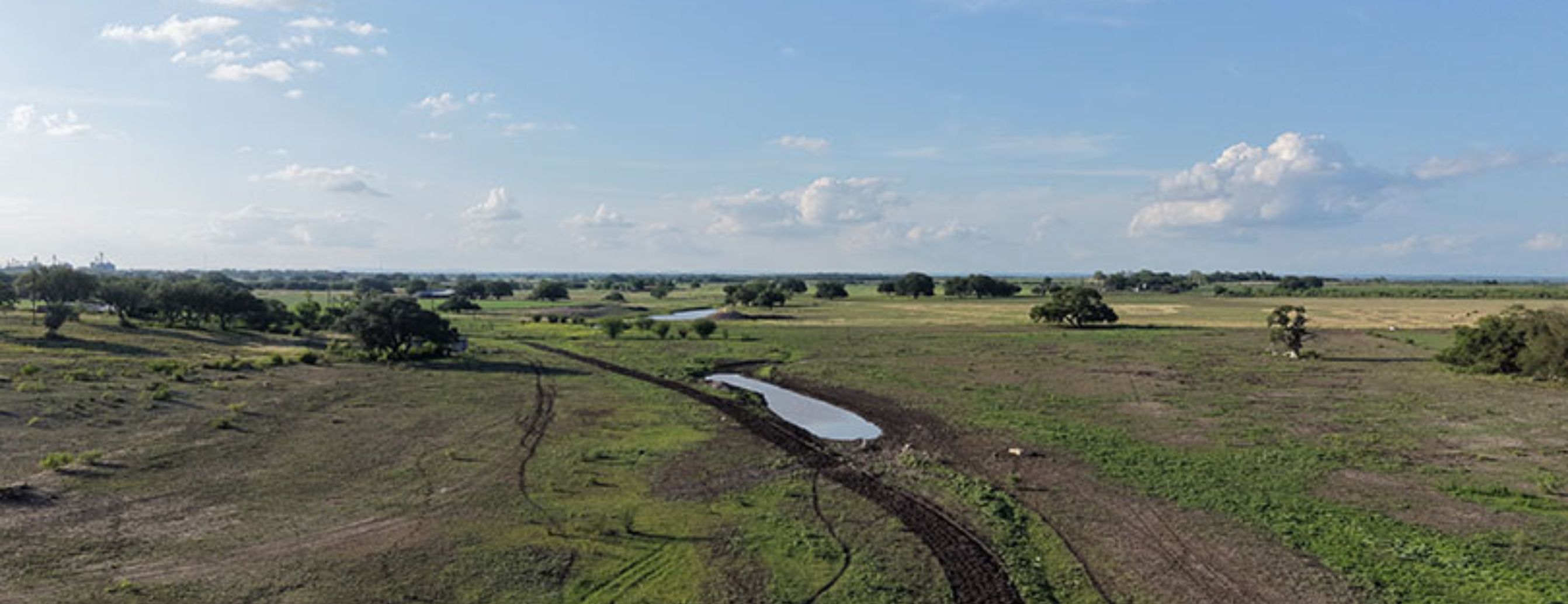
Recent Rainfall Brings Short-Term Relief As Drought Persists Across Texas
Steady rainfall across parts of Texas brought much-needed moisture, offering some relief as drought continues to grip much of the state.
For Colin Graff, who grows hay and forage in Hondo, the recent rain brought both relief and cautious optimism.
“We got a slow, soaking rain with no runoff,” Graff said. “In Hondo, we’re on the lighter side of things and got just over an inch of rain, but definitely grateful for that inch.”
The timing made a difference.
“We are in the darkest red on the drought monitor map,” Graff said. “The last measurable rain we had was 2.5 inches in November and another one about a month ago.”
Some of Graff’s fields further south received significantly more rain—between 2.5 and 3 inches, with isolated totals as high as 5 inches.
Since then, rainfall has been sporadic and inconsistent. Some fields have received multiple inches and others remain dry.
“We’ve had some ‘spits,’ as my 4-year-old son calls them, where we’ve had a quarter inch here and a half inch there,” Graff said. “They help, but in the grand scheme of things, they don’t make much of a difference.”
Despite the recent moisture, long-term recovery remains a challenge. Graff estimates it would take roughly 26 inches of rain over a three-month period to fully pull the region out of drought conditions.
Farther south in the Rio Grande Valley, recent rainfall had an immediate impact.
“It was a game changer down here,” said Brady Taubert, who manages a gin and grows cotton, corn and grain sorghum in San Benito. “We were getting to the point that it either needed to rain right then, or the crop would just die.”
Rainfall totals ranged from a couple of inches to isolated reports of 4 inches during a multi-day event. Before that, some areas had not seen measurable rain since November.
“I was ready to write my crop off,” Taubert said. “I didn’t know how it was hanging on, and this rain completely turned it around.”
But challenges remain. Reservoir levels in the region are still critically low, with combined storage below 20% capacity.
“You just have to turn things over to God and trust that he’s going to take care of you,” Taubert said. “It may not happen on our timeline or when we want it to happen, but we know it is going to happen.”
More rain is in the forecast for some parts of the state, and meteorologists are predicting a potential shift to El Niño conditions later this year. But farmers remain cautious.
“I think we have some chances for sporadic, widely separated showers over the next 10 days,” Graff said. “Cattle prices are high, which is good, but hay, feed and fertilizer costs are still up. This rain will help some, but I’d still recommend buying hay when you can because I think it’s going to be a long summer.”