March 2026 TRFS Update

MARCH INTO YOUR NEXT TEXAS RANCH, CHECK OUT THESE PROPERTY UPDATES...

COMING SOON! Dos Robles Ranch is a 342± acre ranch with captivating views just south of Menard. Thoughtful cedar eradication has enhanced portions of the land, opening up scenic vistas and improving usability. The ranch is located east of Highway 83 with frontage on FM 1773 and is currently under an Ag Exemption.

REDUCED! Skyline Mountain is an extraordinary 14± acre property that takes full advantage of its stunning elevations up to 1,836’± asl. Prepare to be captivated by breathtaking panoramic views of the Texas Hill Country and the serene, tranquil living it offers. This retreat is perfect for nature lovers, adventurers, and investors alike, offering a rare opportunity to create an income-producing Hill Country vacation destination or permanent residence with unmatched views.

REDUCED! Paloma Ranch is a 90± acre Hill Country gem offering a captivating blend of scenic beauty, privacy, and comfort. The property sits among a rich diversity of native trees—including Piñon pine, lacy oak, live oak, and Texas Madrone—making this property a turnkey retreat ideal for weekend getaways, hunting adventures, or peaceful escapes. With dynamic terrain, abundant wildlife, and quality improvements already in place, Paloma Ranch is ready to enjoy from day one.

INTERESTED IN WHAT YOUR PROPERTY IS WORTH?

Fill out our quick Seller questionnaire, and our market experts will analyze key data to provide you with a well-informed value range—confidential, accurate, and hassle-free!

LET’S FIND YOUR TEXAS RANCH!

Complete our quick Buyer questionnaire. TRFS will guide you through a seamless transaction, from finding the right property to negotiations and closing.

RANCH NEWS ARTICLES!

You can see the latest ranch news articles under “Resources” then go down to the “Ranch Articles” tab. Our latest article explains that the Texas Farm Bureau is encouraging farm bill movement. Read more. These articles are also featured in our bi-weekly email newsletter.

STAY INFORMED WITH OUR PROPERTY UPDATES!

Don't miss the latest property listings, articles, and more. Subscribe to our "Stay Connected" newsletter for fresh news and valuable articles. Join by visiting the "Stay Connected" section at the bottom of the page. Please confirm your email after signing up to stay in the loop!

We genuinely value your participation in the TRFS community. We eagerly look forward to sharing upcoming property updates and opportunities with you!

Sincerely,

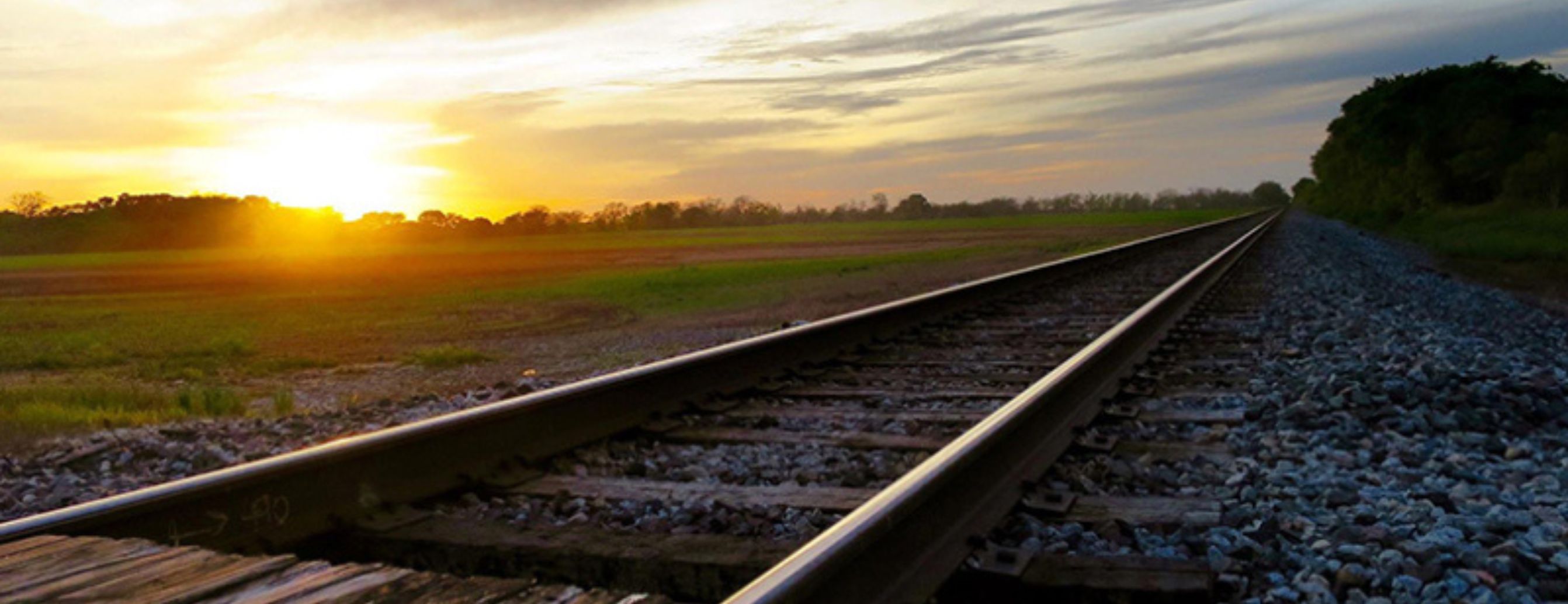
Rail Merger Would be Costly for Farmers

Farmers warn consolidation could limit rail access and raise shipping costs

The proposed merger of the Union Pacific and Norfolk Southern railways would leave farmers with fewer transportation options and vulnerable to shipping cost increases at a time when balance sheets have been squeezed to the breaking point by rapidly rising input costs.

Transportation, marketing and storage expenses are projected to rise to a record $14 billion in 2026. American Farm Bureau Federation economists analyzed the UP-NS merger in the latest Market Intel.

“The risk of the UP–NS merger is clear,” the Market Intel states. “It would leave farmers more dependent on fewer railroads at a time when they already have almost no ability to walk away from higher costs or poor service. The merger does not create new competition for agriculture. It removes what little leverage remains by eliminating key routing and interchange options that currently help keep rates and service in check. When that pressure disappears, history shows that farmers do not ship less—they get paid less.”

The $85 billion proposed merger between Union Pacific and Norfolk Southern would create the first coast-to-coast Class I railroad in U.S. history. The system would span roughly 50,000 route miles across 43 states.

For farmers, fewer routing and carrier options would leave large portions of the country dependent on a single railroad for end-to-end service, reducing system redundancy that helps protect critical food and agricultural supply chains during disruptions. Farmers rely heavily on rail to move their products.

In 2024 alone, U.S. railroads carried more than 80 million tons of corn, 26 million tons of soybeans and nearly 26 million tons of wheat, much of it originating in the Midwest and northern Plains. In fact, food and farm products represent about 20% of total U.S. rail tonnage.

“The vulnerability of agricultural shippers to further consolidation is magnified by the inelastic nature of rail demand, meaning farmers often cannot meaningfully reduce or change how they ship even when rail costs rise,” the Market Intel states. “For many bulk commodities, especially grain produced far from river systems or major processing centers, rail is not easily substitutable. Trucking long distances significantly increases per-unit costs, while barge access is geographically limited.”

The long-term effect of a merger could be an increase in food prices for consumers as expenses go up throughout the food supply chain.

For these reasons, the American Farm Bureau Federation opposes the merger between Union Pacific and Norfolk Southern.

Read the full Market Intel here.