Important Reminders on Contract Interpretation from Texas Supreme Court
The Texas Supreme Court recently decided an interesting contract case involving an agreement to supply water for fracking in Equinor Energy v. Lindale Pipeline. [Read Opinion here.]
Background
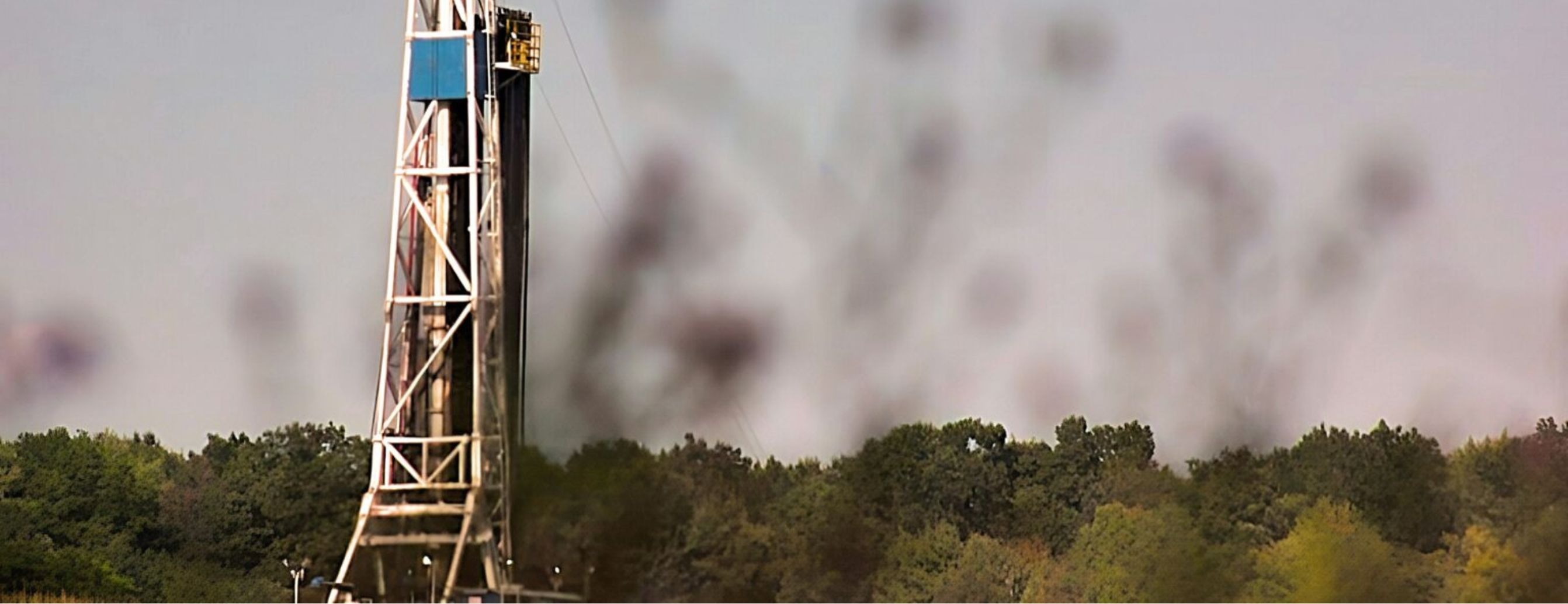
Fracking is a common method of oil and gas production in the United States. It involves pumping water down a well into a formation under high pressure, causing the formation to crack open and the oil or gas to flow into the wellbore. Fracking requires large amounts of water, and companies often contract with water suppliers to transport water to well sites. Historically, this water transportation was done via truck. In 2020, a new technology was developed that allowed transportation of water directly to well sites via underground pipelines.
In 2009, two companies entered an agreement related to providing water via pipeline to fracking operations in North Dakota. Equinor’s predecessor agreed to finance construction of a freshwater pipeline and to take ownership of the pipeline once construct was complete. Lindale agreed to serve as the exclusive water supplier “on the Pipeline” and to charge below-market rates for water. Specifically, the parties’ agreement provided that “Lindale shall be the sole and exclusive water provider and pumper on the Pipeline; however, in the unlikely event that Lindale is unable to provide water through the Pipeline for [Equinor], [Equinor] may then use other water sources or pumpers on the Pipeline.” The term “Pipeline” was defined as the “freshwater pipeline, lateral lines, related facilities, well-site appurtenances, rights-of-way, easements, and permits owned by [Equinor] as of the date of this Agreement, including without limitation, those described and shown on [the map] attached hereto.”
A few years after this contract was signed, Equinor acquired the predecessor company that entered into the agreement with Lindale. During that same period, new water supply technology developed that was cheaper than the underground pipelines addressed in the agreement. Lay-flat hoses are similar to large fire hoses that lay on the ground, and they are cheaper to use than underground pipelines. Equinor began purchasing water from other suppliers that used the lay-flat technology, rather than purchasing water from Lindale.
Litigation
Lindale filed suit against Equinor claiming breach of contract. Lindale argued that the agreement gave Lindale the exclusive right to supply water for Equinor’s fracking operations. Equinor responded that the oil wells for which it purchased the outside water were not “on the Pipeline,” meaning they were outside the scope of the agreement’s exclusivity clause.
The trial court found the agreement ambiguous and submitted the question of its meaning to a jury. The jury sided with Lindale and awarded $26 million in damages.
Equinor appealed, arguing it did not breach the contract and that, even if it did, the damage award was excessive. The Houston (First District) Court of Appeals sided with Lindale and affirmed the trial court judgment on both counts.
Equinor sought review from the Texas Supreme Court.
Texas Supreme Court Opinion
The Texas Supreme Court reversed and remanded the case. [Read Opinion here.]
The Court noted that the entire case hinged on whether Equinor’s wells were “on the Pipeline” such that they fall under the provision of the agreement’s exclusivity clause.
The contractual definition of “Pipeline” provided “the freshwater pipeline, lateral lines, related facilities, well-site appurtenances, rights-of-way, easements, and permits owned by Equinor.” Equinor notes that that the oil wells themselves are not on this list, so the exclusivity clause does not apply to water bought for those wells and transported through flat-lay hoses other than the Pipeline. The case essentially comes down to the meaning of the word “on.” Equinor argues “on” means “through,” meaning the parties agreed Lindale would be the exclusive supplier of water that flowed through the pipeline. Lindale, however, argues that “on” means “next to” such that it has the exclusive right to supply water for wells attached to the Pipeline.
The Court reviewed several dictionary definitions of “on” and found that different definitions could support each party’s position.
The Court noted that “on the Pipeline” modifies the nouns “provider” and “pumper.” According to the Court, this sentence structure is inconsistent with Lindale’s argument that the wells are “on the Pipeline” simply because they are connected to it. To read the sentence the way Lindale requests would require the Court to essentially read in language such as “oil wells.” It would force the clause to be interpreted as, “exclusive water provider and pumper [for oil wells] on the Pipeline. The Court refused to accept this invitation to read additional language into the contract.
Next, the Court noted the exception clause uses the word “through” and “on” somewhat synonymously. It says that if Lindale is unable to provide water through the Pipeline, Equinor may use other water sources or pumpers on the Pipeline. This suggests the purpose of the pumper on the pipeline is to get water through the pipeline, not to pump water into conduits adjacent to the Pipeline.
Lindale also argued that the map incorporated by reference into the definition of “Pipeline” supports its interpretation. Lindale claims the map shows not only the lateral lines and components of the Pipeline but also shows the existing oil wells at the time the agreement was signed. This, Lindale argued, means that the exclusivity clause incorporates the map and those oil wells thereon by reference. The Court disagreed. The map does not make the oil well part of the Pipeline. The map was included to describe the enumerated component of the Pipeline, not to expand the list of such components. Oil wells were not included in the definition of “Pipeline,” and the Court found it immaterial that the map depicts them.
Finally, the Court rejected the “purposivist arguments” Lindale offered about what it wishes had been written in the contract. First, the Court rejected an argument about the purpose of the agreement include in the introductory section. Because it found the exclusivity clause unambiguous, it need not look at this evidence of the parties’ purpose. The same was true for evidence about the course of dealings between the parties. Lindale also argued it would not have entered into the agreement if the exclusivity clause did not include water used at the wells themselves. The Court rejected this, holding “we have no business rescuing parties from contracts that turned out to be bad deals in the name of utilitarianism or equity. Our job is to read the words chosen by the contracting parties.”
Based on the plain language of the text, the Court concluded that the oil wells were outside the scope of the exclusivity clause. As a result, Equinor was free to purchase water from any supplier it chose without breaching the agreement with Lindale. Because the Court held that the oil wells at issue sit outside the scope of the contract’s exclusivity clause, it sided with Equinor and reversed the lower court judgments.
Key Takeaways
While this may not be an agricultural law case, it offers a couple of important considerations for anyone, including agricultural producers and rural landowners, to keep in mind when entering into any type of contractual agreement.
First, the words in the contract matter. Here, a $26 million verdict was erased because of the interpretation of the two-letter word, “on.” It is critical that before entering into any agreement, parties ensure the language is clear, unambiguous, and reflects their agreement. I always recommend hiring an attorney licensed in your jurisdiction to review agreements prior to signing.
Second, what the contract says matters more than what the parties may have meant. If a court holds that contractual language is unambiguous, as the Texas Supreme Court did here, it does not look at any other evidence. That means the parties’ intent, outside agreements or conversations not included in the contract, and historical dealings, might well show something different, but it will not be considered because the contractual language is unambiguous. This is why it is so critical for a written agreement to include every part of an agreement, every detail, every promise, every understanding of the parties before it is signed.